–since 1996–

info@ruishon.com

0086(838)6661786

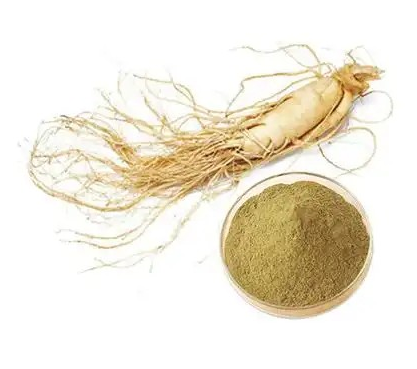
Ginseng extract CAS No.: 90045-38-8

Ginseng extract CAS No.: 90045-38-8

Ginseng extract contains Ginsenosides, anti-oxidation, anti-inflammation, vasodilation, anti-allergy and anti-diabetes, for medical and health care industry

Description

Ginseng extract
Ginseng extract
CAS No.:
90045-38-8
Name:
Ginseng extract
Spec:
natural
Remark:
Category:
Natural Herb Extracts
  Product Intro:

Ginseng Extract

General Information

  • Product Name: Ginseng Extract
  • Botanical Source: Panax ginseng
  • Part of Plant Used: Root
  • Classification: Plant / Herb Extracts
  • Extract Solvent: Water & Ethanol

Typical Analysis

Items
Standard
Typical
Ginsenosides (UV) >80% 80.20%
Loss on Drying <5.0% 3.65%
Residue on Ignition <5.0% 2.10%
Heavy metals <10 ppm Complies
Residual Solvents Eur. Pharm. Complies
Microbiology
Total Plate Count <1000/g 115/g
Yeast & Mold <100/g 15/g
Salmonella Negative Negative
E. Coil Negative Negative

Physical

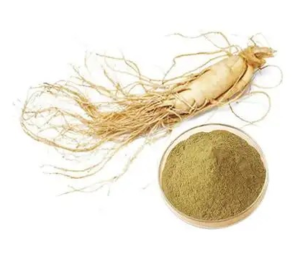
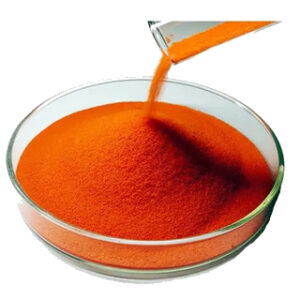
  • Appearance: Light yellow fine powder
  • Odor: Characteristic
  • Particle Size: 100% Pass 80 mesh
  • Bulk Density: 45-55g/100ml

Storage:

  • In a cool and dry place. Keep away from direct strong light.

Packaging:

  • 25kg/drum

Shelf Life:

  • Maximum 24 month when stored unopened provided proper storage conditions are maintained

Note: The above analysis are typical guides. They are not to be construed as being specifications.

Herb Information

Name: Asian Ginseng
Biological Name: Panax ginseng
Other Names: Ginseng – Asian, Asiatic ginseng, Chinese ginseng, wonder of the world, Asian Ginseng
Parts Used: Root

Active Compounds:
Ginseng’s actions in the body are due to a complex interplay of constituents. The primary group are the ginsenosides, which are believed to increase energy, counter the effects of stress, and enhance intellectual and physical performance. Thirteen ginsenosides have been identified in Asian ginseng. Ginsenosides Rgl and Rbl have received the most attention.

Ginsenosides, an important active component of ginseng, belong to triterpenoid glycoside compounds, which have various therapeutic effects such as anti-oxidation, anti-inflammation, vasodilation, anti-allergy and anti-diabetes. Some ginsenosides show their anticancer properties by reducing DNA damage, reducing host susceptibility to mutations, and increasing immune monitoring and apoptosis. In addition, ginsenosides can also effectively improve the efficacy of traditional chemotherapy drugs and prevent damage to normal tissues.

Other constituents include the panaxans, which help lower blood sugar, and the polysaccharides (complex sugar molecules), which support immune function.

History:
Asian ginseng has been a part of Chinese medicine for over 2,000 years. The first reference to the health enhancing use of Asian ginseng dates to the first century A.D Historically, it had been described as: “It is used for repairing the five viscera, quieting the spirit, curbing the emotion, stopping agitation, removing noxious influence, brightening the eyes, enlightening the mind, and increasing wisdom. Continuous use leads one to longevity with light weight.” Ginseng was commonly used by elderly persons in the Orient to improve mental and physical vitality.

Remedies For:
Ginseng extract is believed to be helpful in:

  • Aerobic capacity
  • Alzheimer’s disease
  • Atherosclerosis
  • Athletic performance
  • Chemotherapy support
  • Chronic fatigue syndrome
  • Common cold/sore throat
  • Diabetes
  • Endurance and stress
  • Fibromyalgia
  • Influenza (flu)
  • Male reproductive system support

Ginseng extract is a demulcent, panacea, stimulant, stomachic. The chines have held ginseng root in almost religious esteem as a panacea for all ailments for thousands of years. The roots that resemble a human being is the most prized ones.

Ginseng extract is considered valuable for feverish and inflammatory illnesses, for hemorrhage, and for blood diseases. Women also take it for everything from normalizing menstruation to easing childbirth. Ginseng promote both physical and mental vigor. It is believed to be an aphrodisiac. It promotes appetite and may help digestive disturbances. It is mildly stimulating to the central nervous system and to various glands. It is helpful for coughs, colds, and various chest problems.

Description:
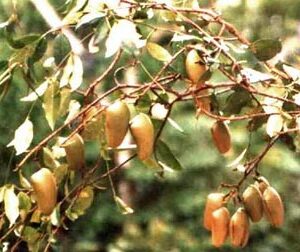
Asiatic ginseng is a small perennial plant which grows in the damp woodlands of Manchuria. It is cultivated primarily in Korea. The aromatic root commonly grows to a length of 2 feet or more and is often divided at the end. The simple, glabrous stem bears near the top a whorl of three or five palmately compound leaves consisting of five oblong ovate, finely double serrated leaflets. From June to August, the plant is topped by a solitary simple umbel of greenish yellow flowers. The fruit is a small red, edible, berry. Ginseng’s high reputation in the orient ensures that the wild plant remains extremely rare; world trade in ginseng consists almost exclusively of cultivated plants.

Dosage:
The best known clinical forms of ginseng are standardized herbal extracts that supply approximately 4-7% ginsenosides; more concentrated extracts may be less effective due to reduction of panaxan levels. People often take 100-200 mg per day. Non-standardized extracts require a higher intake, generally 1-2 grams per day for tablets or 2 – 3 ml for fresh herb tincture.

Use only thoroughly dried root. Make it into a tea according to your taste and use as needed.

Ginseng is usually used for two to three weeks continuously, followed by a 1 to 2 -week “rest” period before resuming.

Safety:
Used at the recommended dosage, ginseng is generally safe. In rare instances, it may cause over-stimulation and possibly insomnia. Consuming caffeine with ginseng increases the risk of over-stimulation and gastrointestinal upset. Persons with. uncontrolled high blood pressure should not use ginseng. Long-term use of ginseng may cause menstrual abnormalities and breast tenderness in some women. Ginseng is not recommended for pregnant or lactating women.

Disclaimer

All of the above information is, to our best knowledge, true and accurate. However, since the the conditions of use are beyond our control, all recommendations or suggestions are made without guarantee, express or implied on our part.

We disclaim all liability in connection with the use of information contained herein or otherwise, and all such risks are assured by user. Nothing contained herein shall be construed to infer freedom from patent infringement.

We further expressly disclaim all warranties of MANCHANTABILITY and FITNESS FOR A PARTICAL PURPOSE This product is not intended to diagnose, treat, cure and prevent any disease.
Reviews

There are no reviews yet.

Be the first to review “Ginseng extract CAS No.: 90045-38-8”

Your email address will not be published. Required fields are marked *